Are Drones Worth It for Hiking and Travel Photography?
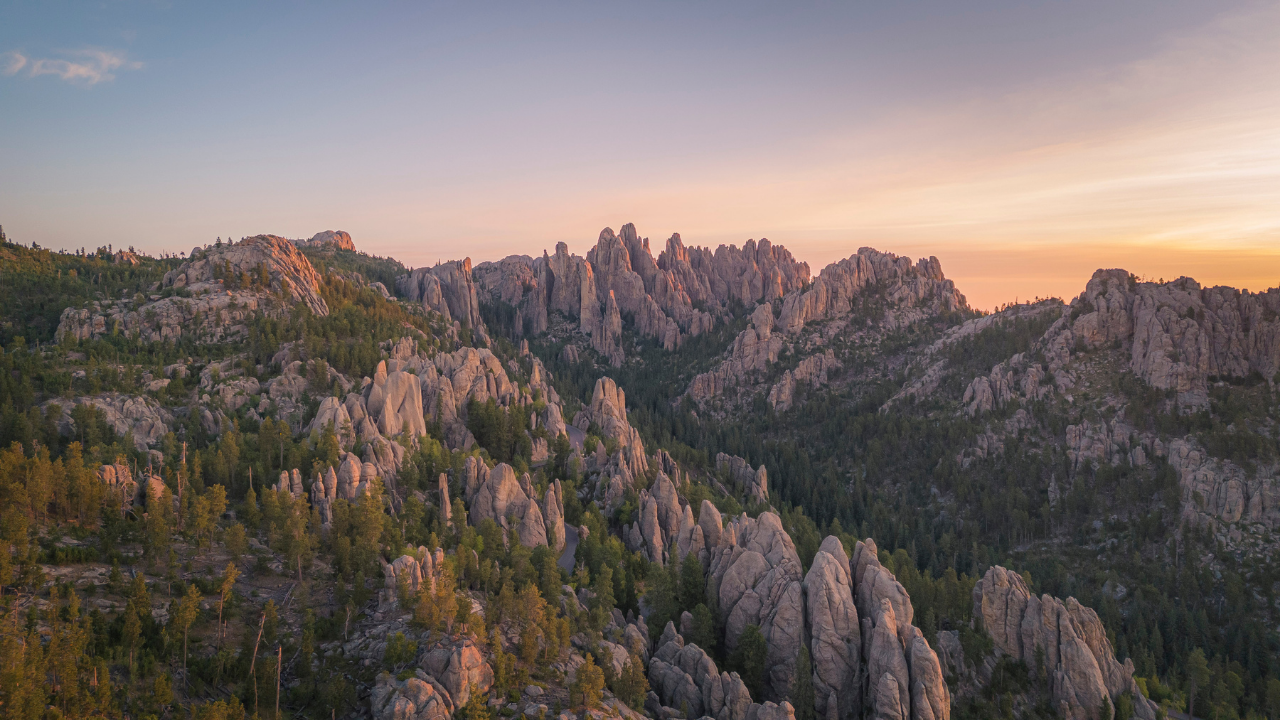
I asked myself this exact question before buying my DJI Mini 4 Pro. Drones aren't cheap, they add weight to your pack, and the rules around where you can fly them take some getting used to. But after using mine for years across Colorado, Utah, Northern Arizona, Iceland, and Madeira, I can tell you — it's one of the best investments I've made as an outdoor photographer.
Here's my honest breakdown: the cost, the practicalities, what I actually use it for, and whether it's right for you.
What Drone I Use and What It Cost Me
I fly the DJI Mini 4 Pro. All in — drone, extra batteries, and ND filters for shooting in bright alpine light — I spent around $1,000. That sounds like a lot upfront, but spread across years of use, it's become one of the cheapest things in my kit on a cost-per-use basis. I've had mine for years now and it still performs exactly as it did on day one.
The Mini 4 Pro sits in a sweet spot that's hard to beat: powerful enough for cinematic footage, light enough to carry on long hikes, and compact enough to bring on international flights without headaches. If you're a hiker or travel photographer looking for your first drone, this is the one I'd point you toward.
Pack Weight Is a Real Consideration — and the Mini Wins Here
When you're already carrying a camera, lenses, water, food, and layers for a long day in the backcountry, every ounce matters. The DJI Mini 4 Pro weighs under 250 grams. That's lighter than most water bottles. I've taken it on long days in the Colorado mountains and barely noticed it in my pack.
This was one of the main reasons I went with the Mini over a larger drone. If you're doing serious mileage — especially in the mountains with a full camera kit — the weight difference between a Mini and something like a DJI Air 3 starts to matter a lot by mile eight.
Vertical Shooting for Reels and Shorts — An Underrated Feature
One thing I didn't fully appreciate until I started posting more short-form content — the Mini 4 Pro shoots vertically natively. No cropping, no awkward reframing in post. You rotate the gimbal and you're shooting in 9:16, exactly the format TikTok, Instagram Reels, and YouTube Shorts are built for.
Drone footage shot vertically hits differently in a Reel — it fills the whole screen in a way landscape footage can't. If you're a content creator, this feature alone is worth factoring into your decision when comparing drones.
The Angles You Simply Can't Get Any Other Way
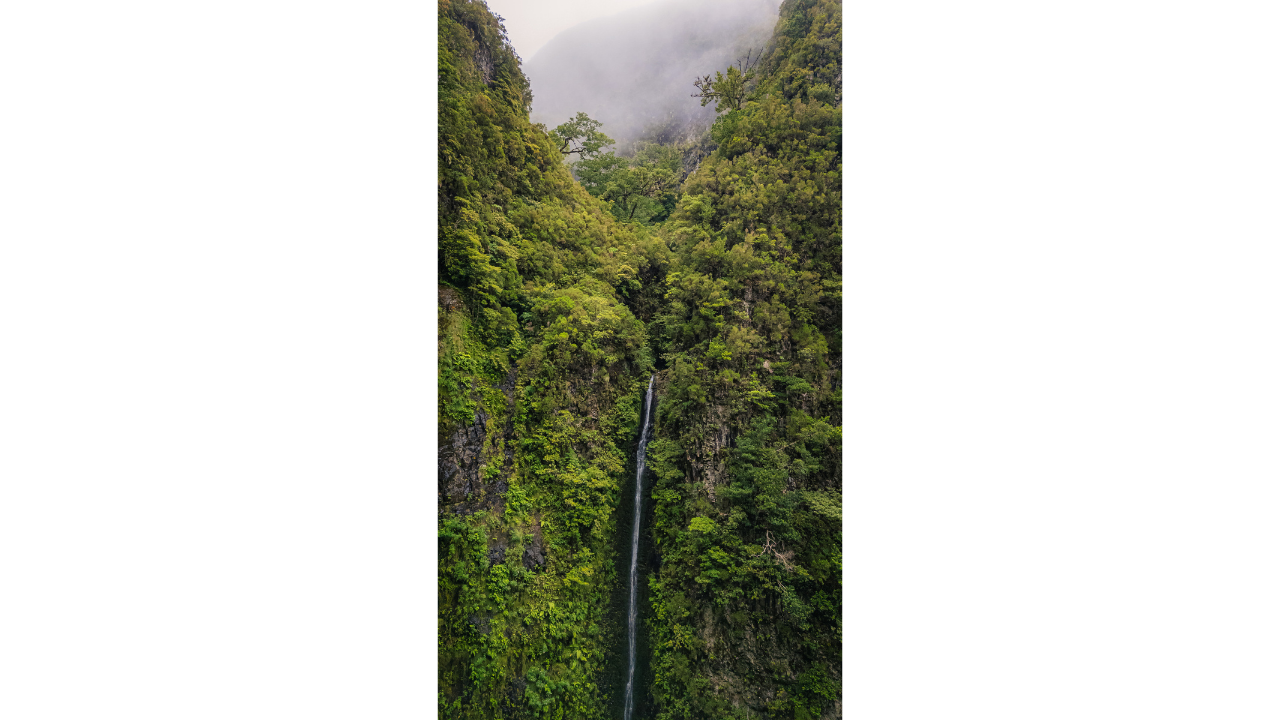
This is the real answer to the question. A drone gives you perspectives that don't exist from the ground. Flying over a ridge in Iceland and looking back down at a frozen river below. A top-down shot of a Utah slot canyon that turns the rock formations into something abstract. Pulling back slowly from an alpine lake in Colorado to reveal the full mountain range — that shot simply doesn't exist without a drone.
I've captured shots I'm genuinely proud of — images and footage that would have been completely impossible otherwise. That's the thing about a unique perspective: it makes your content feel cinematic rather than just another nature clip.
Practical Tips for Flying a Drone on Hikes
Wind and weather
Mountain weather moves fast. I always check wind speed before launching — anything consistently above 20-25 mph and the drone stays in the pack. Early morning is almost always the best window: calmer air, softer light, and fewer people on the trail. The Mini handles wind reasonably well for its size, but high alpine ridgelines can surprise you.
Battery life on long hikes
You get around 30-34 minutes per battery in normal conditions. I carry two to three spare batteries on longer trips. Cold temperatures at altitude drain them faster, so I keep spares in a jacket pocket on winter shoots. Always land with at least 20% remaining — you need that buffer if wind pushes back on the return flight.
FAA rules and airspace
The Mini 4 Pro is under 250g which puts it in a lighter regulatory category in the US, but you still need to follow FAA rules. Most National Parks prohibit drone flight entirely — this catches a lot of people off guard. I use the B4UFLY app before any shoot to check airspace. Wilderness areas, state parks, and dispersed public land are often fine, but always verify before you go.
Pack weight and portability
I use a small hard-shell case that fits inside my main pack. The drone, controller, and two batteries take up roughly the space of a thick paperback book. On travel days I carry it in my personal item — it never goes in checked luggage.
Getting the best shots
Slow and smooth almost always beats fast and dramatic. I use ND filters in bright conditions for cinematic motion blur. The best drone shots I've gotten have been simple movements — a slow pull-back reveal, a low orbit around a subject, a straight top-down shot. Don't overcomplicate it. Let the landscape do the work.
Drone Recommendations by Budget
If you're shopping for your first hiking or travel drone, here's how I'd break it down:
Under $500 — DJI Mini 3
A solid entry point for anyone new to drones. Good image quality, lightweight, and it has vertical shooting. Lacks some of the obstacle avoidance and low-light performance of the Mini 4 Pro, but for someone just starting out it's a genuinely capable drone.
$700–$1,000 — DJI Mini 4 Pro (my pick)
The sweet spot for most outdoor content creators and travel photographers. Better low-light performance, omnidirectional obstacle sensing, longer battery life, and native vertical shooting. This is what I use and what I'd recommend to most people asking me this question.
$1,000+ — DJI Air 3
A step up in image quality with a dual camera system. Worth considering if video quality is your top priority and pack weight is less of a concern. I'd only recommend it if you're shooting seriously and don't mind the extra bulk on the trail.
So — Is a Drone Worth It?
For me, yes — without question. The DJI Mini 4 Pro has paid for itself many times over in the shots it's made possible. It's light enough that I genuinely forget it's in my pack, and the footage it produces is unlike anything I can get with a phone or camera alone.
If you're a hiker or travel photographer on the fence: buy it, learn to fly it somewhere open and low-stakes, get familiar with the airspace rules for where you shoot, and then take it somewhere that deserves it. You'll get a shot that makes the whole thing click into place.
The mountains look different from 200 feet up. It's worth seeing.